The Role of Business Consulting in Scaling Your Company

Scaling a business is an exciting milestone—but it also comes with challenges. From managing operations and finances to expanding into new markets, growth requires careful planning and expert decision-making.

This is where business consulting plays a crucial role. By leveraging expert insights and strategic guidance, businesses can scale efficiently while minimizing risks.

In this blog, we’ll explore the role of business consulting in scaling your company and why it can be a game-changer for long-term success.


What is Business Consulting?

Business consulting involves working with experienced professionals who analyze your business, identify challenges, and provide strategic solutions to improve performance and growth.

Consultants bring an external perspective, industry expertise, and data-driven insights that help businesses make informed decisions.


Why Scaling a Business is Challenging

Growth is not just about increasing sales—it involves multiple complexities, such as:

  • Managing increased operational demands
  • Maintaining consistent cash flow
  • Hiring and training employees
  • Expanding into new markets
  • Staying compliant with regulations

Without proper planning, rapid growth can lead to inefficiencies and financial strain.


1. Strategic Planning and Goal Setting

A clear roadmap is essential for scaling any business.

How Consultants Help:

  • Define long-term vision and goals
  • Create actionable growth strategies
  • Identify new market opportunities

Impact:

You gain a structured plan that aligns your resources with your growth objectives.


2. Financial Management and Optimization

Financial stability is the backbone of successful scaling.

Consultant’s Role:

  • Analyze financial statements
  • Improve budgeting and forecasting
  • Optimize cost structures
  • Identify profitable opportunities

Result:

Better financial control and improved profitability.


3. Process Improvement and Efficiency

As your business grows, inefficient processes can slow you down.

What Consultants Do:

  • Evaluate existing workflows
  • Identify bottlenecks
  • Implement automation and best practices

Benefit:

Streamlined operations and increased productivity.


4. Market Expansion and Growth Strategy

Entering new markets requires careful analysis and planning.

Consultant Support:

  • Conduct market research
  • Identify target audience and competitors
  • Develop go-to-market strategies

Growth Impact:

Reduces risks and increases chances of success in new markets.


5. Risk Management and Compliance

Scaling introduces new risks, including financial, operational, and legal challenges.

How Consultants Help:

  • Identify potential risks
  • Ensure regulatory compliance
  • Develop risk mitigation strategies

Outcome:

A safer and more stable growth journey.


6. Technology and Digital Transformation

Modern businesses rely heavily on technology to scale.

Consultant Contributions:

  • Recommend suitable tools and systems
  • Implement digital transformation strategies
  • Improve data management and analytics

Advantage:

Enhanced efficiency and better decision-making.


7. Human Resource and Talent Management

Your team plays a critical role in scaling success.

Consultant’s Role:

  • Develop hiring strategies
  • Improve employee performance systems
  • Build leadership capabilities

Result:

A strong and capable workforce that supports growth.


8. Objective and Unbiased Perspective

Sometimes, internal teams may overlook key issues due to familiarity.

Consultants Provide:

  • Fresh, unbiased insights
  • Honest feedback
  • Data-driven recommendations

Benefit:

Better decision-making without internal biases.


9. Faster and Smarter Decision-Making

With expert guidance, businesses can make quicker and more effective decisions.

Impact:

  • Reduced trial-and-error
  • Faster execution of strategies
  • Improved business outcomes

This speed can be a major competitive advantage.


When Should You Hire a Business Consultant?

You should consider business consulting if:

  • You’re planning to scale your operations
  • Your business growth has slowed down
  • You’re entering new markets
  • You’re facing financial or operational challenges
  • You need expert guidance for strategic decisions

Recognizing the right time to seek help can make a significant difference.


Final Thoughts

Scaling a business is not just about growth—it’s about sustainable and strategic growth. Business consulting provides the expertise, structure, and direction needed to navigate this journey successfully.

By working with experienced consultants, businesses can avoid common pitfalls, optimize performance, and unlock their full potential.


Need Expert Guidance to Scale Your Business?

At V G Business Solutions, we specialize in helping businesses grow strategically and efficiently. From financial planning to operational optimization, our consulting services are designed to support your expansion journey.

Contact us today and take the next step toward scaling your business!

Benefits of Outsourcing Your Business Services

In today’s competitive business environment, companies are constantly looking for ways to reduce costs, improve efficiency, and focus on growth. One of the most effective strategies to achieve these goals is outsourcing business services.

Outsourcing involves delegating certain business functions—such as accounting, payroll, IT, or customer support—to external experts. While some businesses hesitate to outsource, those that embrace it often gain a significant competitive advantage.

In this blog, we’ll explore the key benefits of outsourcing your business services and how it can help your company scale efficiently.


What is Business Process Outsourcing (BPO)?

Business Process Outsourcing (BPO) refers to contracting specific business operations to third-party service providers. These services can include:

  • Accounting and bookkeeping
  • Payroll processing
  • Tax compliance
  • IT support
  • Human resource management
  • Customer service

Outsourcing allows businesses to focus on their core activities while experts handle specialized tasks.


1. Cost Savings and Reduced Overheads

One of the biggest advantages of outsourcing is cost efficiency.

How It Helps:

  • Eliminates hiring and training costs
  • Reduces office space and infrastructure expenses
  • No need for employee benefits like insurance or bonuses

Growth Impact:

Businesses can allocate saved resources to marketing, product development, or expansion.


2. Access to Expert Knowledge

Outsourcing connects you with skilled professionals who specialize in specific domains.

Benefits:

  • Up-to-date knowledge of regulations and industry trends
  • Reduced risk of errors
  • Improved accuracy in critical functions like accounting and compliance

Instead of relying on in-house generalists, you gain access to dedicated experts.


3. Focus on Core Business Activities

Handling non-core tasks internally can distract you from strategic goals.

With Outsourcing:

  • You spend more time on business growth
  • Improve productivity and efficiency
  • Strengthen your competitive edge

This is especially important for startups and small businesses with limited resources.


4. Improved Efficiency and Productivity

Outsourcing firms use advanced tools, technologies, and processes to deliver high-quality work.

Key Advantages:

  • Faster turnaround times
  • Streamlined workflows
  • Consistent service delivery

As a result, your overall business operations become more efficient.


5. Scalability and Flexibility

As your business grows, your operational needs change.

Outsourcing Offers:

  • Easy scaling of services up or down
  • Flexibility without long-term commitments
  • Ability to handle seasonal or project-based workloads

This adaptability is crucial for growing businesses.


6. Better Risk Management and Compliance

Regulatory compliance can be complex and time-consuming.

How Outsourcing Helps:

  • Ensures adherence to laws and regulations
  • Reduces risk of penalties and errors
  • Keeps your business updated with changing compliance requirements

This is particularly beneficial for areas like taxation, payroll, and legal compliance.


7. Access to Advanced Technology

Many outsourcing providers invest in the latest tools and software.

Benefits:

  • No need for expensive software purchases
  • Improved data management and reporting
  • Enhanced security and backup systems

You gain the advantage of cutting-edge technology without heavy investment.


8. 24/7 Business Operations

Some outsourcing providers offer round-the-clock services.

Impact:

  • Improved customer support
  • Faster response times
  • Increased customer satisfaction

This is especially useful for businesses serving global markets.


9. Competitive Advantage

Outsourcing allows you to operate more efficiently than competitors who rely solely on in-house teams.

Result:

  • Lower operational costs
  • Higher service quality
  • Faster growth

This gives your business a strong position in the market.


When Should You Consider Outsourcing?

Outsourcing is a smart move if:

  • You want to reduce operational costs
  • Your team is overloaded with non-core tasks
  • You lack expertise in specific areas
  • You are planning to scale your business
  • Compliance requirements are becoming complex

Recognizing the right time to outsource can significantly impact your growth trajectory.


Final Thoughts

Outsourcing is no longer just a cost-cutting measure—it’s a strategic tool for growth. By delegating non-core tasks to experts, businesses can improve efficiency, reduce risks, and focus on what truly matters: building and expanding their brand.

Whether you’re a startup or an established company, outsourcing can help you operate smarter and grow faster in today’s dynamic business landscape.


Looking to Outsource Your Business Services?

At V G Business Solutions, we provide reliable outsourcing services tailored to your business needs. From accounting and compliance to payroll and advisory, our experts help you streamline operations and focus on growth.

Contact us today to take your business to the next level!

How GST Compliance Impacts Your Business Growth

In today’s regulated business environment, compliance is no longer just a legal obligation—it’s a strategic advantage. One of the most critical compliance requirements for businesses in India is adhering to Goods and Services Tax (GST) regulations.

While many businesses view GST compliance as a burden, the truth is quite the opposite. Proper GST compliance can significantly contribute to your business growth, improve credibility, and streamline operations.

In this blog, we’ll explore how GST compliance directly impacts your business growth and why it should be a top priority.


What is GST Compliance?

GST compliance refers to following all rules and regulations under India’s GST system, including:

  • Timely GST registration
  • Accurate invoicing
  • Filing GST returns (GSTR-1, GSTR-3B, etc.)
  • Maintaining proper records
  • Paying taxes on time

Staying compliant ensures your business operates legally and efficiently within the tax framework.


1. Builds Business Credibility and Trust

One of the biggest advantages of GST compliance is the trust it builds with customers, vendors, and financial institutions.

How It Helps:

  • Registered businesses appear more professional
  • Clients prefer GST-compliant vendors for input tax credit (ITC)
  • Enhances your brand reputation

When your business is compliant, it signals reliability—an essential factor for long-term growth.


2. Enables Seamless Input Tax Credit (ITC)

GST allows businesses to claim Input Tax Credit on purchases, reducing the overall tax burden.

Growth Impact:

  • Lowers operational costs
  • Improves profit margins
  • Enhances pricing competitiveness

However, ITC can only be claimed if your GST filings are accurate and timely. Non-compliance can lead to loss of these benefits.


3. Avoids Penalties and Legal Issues

Non-compliance with GST regulations can result in heavy penalties, interest, and even legal action.

Risks of Non-Compliance:

  • Late filing fees
  • Interest on unpaid taxes
  • Notices and audits
  • Business disruptions

Growth Advantage:

By staying compliant, you avoid unnecessary financial losses and keep your business operations running smoothly.


4. Improves Cash Flow Management

GST compliance encourages better financial discipline and tracking.

How It Helps:

  • Regular filing keeps finances updated
  • Better tracking of receivables and payables
  • Accurate forecasting of tax liabilities

Improved cash flow management allows businesses to plan investments and expansion more effectively.


5. Expands Business Opportunities

GST compliance opens doors to new opportunities, especially in B2B markets.

Growth Benefits:

  • Eligibility to work with large corporations
  • Access to government tenders
  • Easier interstate trade without tax complications

Many large companies only deal with GST-compliant vendors, making compliance essential for scaling your business.


6. Facilitates Business Expansion Across India

Before GST, businesses faced multiple indirect taxes across states. GST has simplified this system.

Impact on Growth:

  • Uniform tax structure nationwide
  • Simplified logistics and supply chain
  • Reduced compliance complexity across states

This makes it easier for businesses to expand geographically and reach new markets.


7. Enhances Financial Transparency

GST compliance requires maintaining proper records and documentation.

Benefits:

  • Clear financial visibility
  • Better decision-making
  • Easier audits and reporting

Transparency not only improves internal operations but also builds confidence among investors and stakeholders.


Common Challenges in GST Compliance

Despite its benefits, businesses often face challenges such as:

  • Frequent changes in GST rules
  • Complex return filing processes
  • Errors in invoicing or reporting
  • Managing deadlines

These challenges highlight the importance of professional support or reliable accounting systems.


Final Thoughts

GST compliance is not just about avoiding penalties—it’s a powerful tool for business growth. From improving credibility to enhancing cash flow and unlocking new opportunities, compliance plays a vital role in building a strong and scalable business.

Businesses that embrace GST compliance as a strategic function, rather than a burden, are better positioned for long-term success.

Top 5 Accounting Mistakes Businesses Should Avoid

In the fast-paced world of business, financial accuracy is not just important—it’s essential. Whether you’re a startup, small business, or growing enterprise, accounting errors can lead to cash flow problems, compliance issues, and even long-term financial damage.

Unfortunately, many businesses unknowingly make critical accounting mistakes that can easily be avoided with the right knowledge and systems in place. In this blog, we’ll explore the top 5 accounting mistakes businesses should avoid and how to prevent them.


1. Mixing Personal and Business Finances

One of the most common mistakes business owners make is failing to separate personal and business finances.

Why It’s a Problem:

  • Creates confusion during bookkeeping
  • Makes tax filing complicated
  • Increases risk of audit issues
  • Reduces financial transparency

How to Avoid It:

  • Open a dedicated business bank account
  • Use separate credit/debit cards for business expenses
  • Maintain clear financial records

Keeping finances separate not only simplifies accounting but also helps you understand your business’s true financial health.


2. Poor Record Keeping

Accurate record keeping is the backbone of good accounting. Yet, many businesses neglect it until it’s too late.

Why It’s a Problem:

  • Missing receipts and invoices
  • Inaccurate financial reports
  • Difficulty during audits
  • Poor decision-making

How to Avoid It:

  • Use accounting software like QuickBooks or Zoho Books
  • Digitize receipts and documents
  • Maintain records regularly (daily or weekly)

Consistency is key—don’t wait until month-end or tax season.


3. Ignoring Cash Flow Management

Profit doesn’t always mean cash in the bank. Many businesses fail because they don’t manage cash flow effectively.

Why It’s a Problem:

  • Inability to pay bills or employees
  • Missed growth opportunities
  • Increased debt

How to Avoid It:

  • Monitor cash flow regularly
  • Create cash flow forecasts
  • Follow up on unpaid invoices promptly
  • Control unnecessary expenses

A healthy cash flow ensures your business runs smoothly day-to-day.


4. Not Understanding Tax Obligations

Taxes can be complex, and misunderstanding them can lead to penalties and legal trouble.

Why It’s a Problem:

  • Late filings and penalties
  • Overpaying or underpaying taxes
  • Compliance risks

How to Avoid It:

  • Stay updated with tax regulations
  • Maintain proper documentation
  • Work with a professional accountant or tax advisor
  • Set aside funds for tax payments

Proper tax planning can save your business both time and money.


5. DIY Accounting Without Proper Knowledge

While it’s tempting to handle accounting yourself to save costs, lack of expertise can lead to costly errors.

Why It’s a Problem:

  • Incorrect financial statements
  • Missed deductions
  • Poor financial planning

How to Avoid It:

  • Hire a professional accountant or firm
  • Outsource bookkeeping services
  • Invest in accounting training if managing internally

Professional guidance ensures accuracy and helps your business stay compliant.


Final Thoughts

Avoiding these common accounting mistakes can significantly improve your business’s financial health and stability. Proper accounting practices not only keep you compliant but also provide valuable insights for better decision-making.

If you’re unsure about your current accounting processes, it may be time to consult experts who can help streamline your financial systems and ensure long-term success.


Need Help with Your Business Accounting?

At V G Business Solutions, we specialize in providing reliable and efficient accounting services tailored to your business needs. From bookkeeping to tax planning, our experts are here to help you stay on track.

Contact us today to take control of your business finances!

young-successful-man-white-shirt-presenting-new-financial-project_171337-10338

Why Every Small Business Needs Professional Financial Management

Introduction

Running a small business comes with countless responsibilities—sales, operations, customer service, and more. Amid all this, one critical aspect often gets overlooked: financial management.

Many business owners try to manage finances on their own, thinking it will save money. However, poor financial handling can lead to serious problems, including cash flow issues, tax penalties, and even business failure.

In today’s competitive environment, professional financial management is not a luxury—it’s a necessity.


What is Financial Management?

Financial management refers to the planning, organizing, controlling, and monitoring of financial resources. It includes:

  • Bookkeeping
  • Budgeting
  • Tax planning
  • Cash flow management
  • Financial reporting

Proper financial management ensures that your business remains stable, compliant, and ready for growth.


Why Financial Management is Crucial for Small Businesses

1. Better Cash Flow Control

Cash flow is the lifeline of any business. Even profitable businesses can fail if they run out of cash.

Professional financial management helps you:

  • Track income and expenses
  • Predict future cash needs
  • Avoid cash shortages

This ensures your business operates smoothly without unexpected disruptions.


2. Accurate Financial Records

Maintaining accurate records is essential for:

  • Making informed decisions
  • Filing taxes correctly
  • Avoiding legal issues

Professionals use reliable systems to ensure every transaction is properly recorded and categorized.


3. Tax Compliance and Savings

Tax regulations can be complex and constantly changing. Mistakes can result in penalties or audits.

With expert help, you can:

  • File taxes on time
  • Claim all eligible deductions
  • Stay compliant with government regulations

This not only avoids penalties but also helps reduce your overall tax burden.


4. Time-Saving and Increased Productivity

Managing finances takes time and expertise. By outsourcing financial tasks, business owners can focus on:

  • Growing their business
  • Improving products/services
  • Building customer relationships

Time saved is money earned.


5. Better Business Decision Making

Financial data provides valuable insights into your business performance.

With proper reports, you can:

  • Identify profitable areas
  • Cut unnecessary expenses
  • Plan future investments

This leads to smarter and more strategic decisions.


Common Financial Mistakes Small Businesses Make

Even experienced entrepreneurs can make financial errors. Some common mistakes include:

  • Mixing personal and business finances
  • Ignoring cash flow management
  • Delaying tax filings
  • Not maintaining proper records
  • Avoiding professional help

Avoiding these mistakes can significantly improve your business stability.


Benefits of Hiring Professional Financial Services

When you work with financial experts, you gain:

✔ Expertise

Professionals understand complex financial and tax regulations.

✔ Accuracy

Minimized errors in bookkeeping and reporting.

✔ Compliance

Stay updated with legal and tax requirements.

✔ Cost Efficiency

Avoid costly mistakes and penalties.

✔ Scalability

Easily adapt your financial systems as your business grows.


How to Choose the Right Financial Partner

Selecting the right service provider is important. Look for:

  • Experience in your industry
  • Strong reputation and reviews
  • Transparent pricing
  • Range of services offered
  • Good communication and support

A reliable partner will act as an extension of your business.


Conclusion

Financial management is the backbone of every successful business. Without it, even the best ideas can fail.

By investing in professional financial services, you ensure:

  • Stability
  • Compliance
  • Growth

Instead of struggling with numbers, you can focus on what truly matters—building and expanding your business.


Call to Action

If you want to take control of your business finances and achieve sustainable growth, consider partnering with experts who understand your needs.

Start managing your finances the right way today!

start-a-business-online-img

Step-by-Step Guide to Starting a Business Successfully (2026)

Introduction

Starting a business can be exciting and challenging. A clear plan and step-by-step approach increase your chances of success. In 2026, the business landscape is competitive, and customers expect professional services and strong branding from the start.

This guide will take you through every step of starting a business successfully—from idea generation to launching and growing your business.


Step 1: Identify a Business Idea

Every successful business starts with a good idea. Look for opportunities where:

  • There is a problem you can solve
  • Customers are willing to pay for a solution
  • You have the skills or passion

Validate your idea by researching the market and competition.


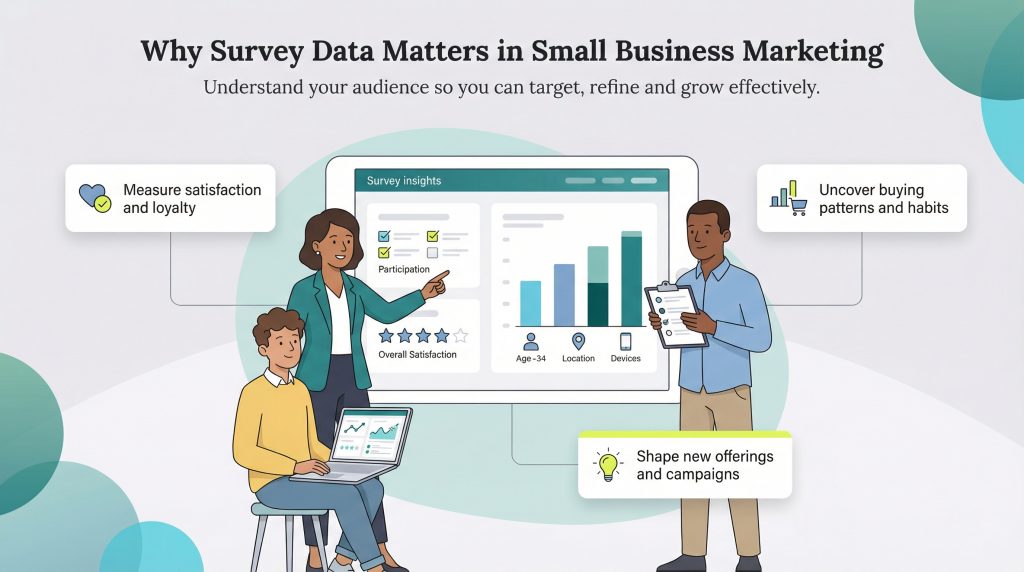
Step 2: Conduct Market Research

https://images.business.com/app/uploads/2016/07/26084430/survey-data-small-business-marketing-1024x572.jpg

Market research helps you understand:

  • Target audience
  • Competitors
  • Market demand
  • Pricing trends

Use surveys, online research, and competitor analysis to gather insights.


Step 3: Create a Business Plan

A business plan serves as a roadmap for your business.

Include:

  • Business objectives
  • Target market
  • Products or services
  • Marketing strategy
  • Financial projections
  • Operational plan

A well-structured plan improves focus and helps secure funding if needed.


Step 4: Choose a Business Structure

Decide on a legal structure for your business, such as:

  • Sole proprietorship
  • Partnership
  • Private Limited Company
  • LLP (Limited Liability Partnership)

Your business structure affects taxes, liability, and registration requirements.


Step 5: Register Your Business

https://www.incorp.com/images/knowledge-base-articles/start-a-business-online-img.webp

Register your business with relevant government authorities. Obtain licenses and permits based on your industry. A registered business gains credibility and legal protection.


Step 6: Set Up Business Finances

Manage finances effectively by:

  • Opening a business bank account
  • Setting up accounting software
  • Tracking expenses and income
  • Planning for taxes

Proper financial management is essential for sustainable growth.


Step 7: Build a Brand Identity

Your brand helps customers recognize and trust your business.

Include:

  • Logo
  • Colors and fonts
  • Website design
  • Brand messaging

Professional branding sets your business apart from competitors.


Step 8: Develop an Online Presence

A strong online presence helps customers find your business.

Steps include:

  • Creating a professional website
  • Optimizing for SEO
  • Setting up social media profiles
  • Google Business Profile for local visibility

Online presence is essential for growth in 2026.


Step 9: Plan Marketing and Lead Generation

https://evenbound.com/hubfs/shutterstock_2474208529.jpg

Promote your business using:

  • Social media marketing
  • SEO
  • Paid advertising
  • Content marketing
  • Email marketing

Consistent marketing attracts customers and generates leads.


Step 10: Launch Your Business

Prepare for your launch by:

  • Hosting a launch event (online or offline)
  • Announcing on social media
  • Offering promotions or discounts
  • Engaging with first customers

A strong launch creates initial traction and awareness.


Step 11: Monitor and Improve Performance

Track your business performance using analytics and feedback.

  • Monitor sales and revenue
  • Analyze marketing results
  • Gather customer feedback
  • Improve products, services, and processes

Continuous improvement ensures long-term success.


Common Challenges for New Businesses

  • Limited budget and resources
  • High competition
  • Customer acquisition
  • Legal compliance
  • Scaling operations

Planning and strategy help overcome these challenges.


Benefits of Following a Step-by-Step Approach

Following a structured approach helps you:

  • Avoid common mistakes
  • Save time and money
  • Attract customers faster
  • Build a professional brand
  • Ensure sustainable growth

A step-by-step plan increases your chances of success.


Why Choose VG Business Solutions for New Businesses

VG Business Solutions helps entrepreneurs and new businesses with:

  • Business consulting
  • Branding services
  • Website development
  • Digital marketing strategies
  • Lead generation and CRM setup

We guide businesses from idea to successful launch and growth.

pngtree-responsive-business-website-presentation-on-multiple-devices-including-desktop-monitor-laptop-image_20922464

How to Build a Strong Online Presence in 2026 (Complete Guide)

Introduction

In 2026, having a strong online presence is essential for every business. Customers search online before choosing a product or service. If your business is not visible online, you are losing valuable opportunities.

A strong online presence helps your business attract customers, build trust, and grow faster. Platforms like Google, Instagram, and LinkedIn play a major role in helping businesses connect with customers.


What is Online Presence?

https://www.rug.nl/news/2018/09/if-online-consumer-switches-from-smartphone-to-pc-a-purchase-is-imminent%21attachment?c=images%2Fnews-image-big.jpg

Online presence refers to how your business appears on the internet.

It includes:

  • Your website
  • Social media profiles
  • Search engine visibility
  • Online reviews
  • Business listings

A strong online presence makes it easy for customers to find and trust your business.


Why Online Presence is Important

https://smartbugmedia.com/hubfs/AdobeStock_325809353-min.jpeg

A strong online presence helps your business:

  • Attract more customers
  • Build trust and credibility
  • Increase brand awareness
  • Generate leads
  • Increase sales

Without an online presence, your business may struggle to grow.


Step 1: Create a Professional Website

https://cdn-na.mynilead.com/1bfa3120d5534256b3bf17c37565c435/assets/img/why-mobile-friendly-design-matters-business-benefits-explained_1691812568_xl.jpeg

Your website is the foundation of your online presence.

Your website should include:

  • Professional design
  • Service information
  • Contact details
  • Lead generation forms

Platforms like WordPress help businesses create professional websites easily.


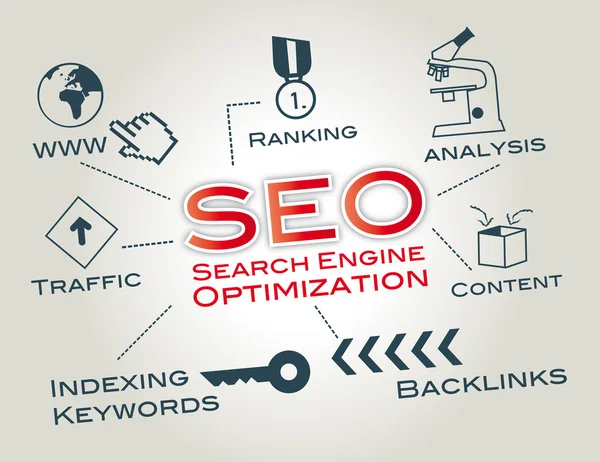
Step 2: Optimize Your Website for SEO

https://st.depositphotos.com/2801893/3376/v/450/depositphotos_33764657-stock-illustration-seo-search-engine-optimization.jpg

SEO helps your website appear in search results when customers search for your services.

SEO includes:

  • Keyword optimization
  • Content creation
  • Technical improvements

SEO increases website traffic.


Step 3: Use Social Media Effectively

https://lankawebsites.com/storage/articles/featured/create-social-media-content-featured-20260213.webp

Social media helps you connect with customers and build brand awareness.

Best platforms include:

  • Instagram
  • Facebook
  • LinkedIn

Post regularly and engage with your audience.


Step 4: Create High-Quality Content

https://www.impactplus.com/hubfs/blogging-for-business-heres-everything-you-need-to-know.jpg

Content helps attract customers and improve SEO.

Examples include:

  • Blog posts
  • Educational content
  • Videos
  • Social media posts

Content builds trust and authority.


Step 5: Optimize Your Google Business Profile

Google Business Profile helps your business appear in local search results.

It helps customers find:

  • Your location
  • Contact information
  • Reviews

This improves local visibility.


Step 6: Collect Customer Reviews

Customer reviews help build trust and improve reputation.

Positive reviews encourage new customers to choose your business.

Encourage satisfied customers to leave reviews.


Step 7: Use Paid Advertising

Paid advertising helps attract customers quickly.

Examples include:

  • Google Ads
  • Facebook Ads
  • Instagram Ads

Paid ads generate fast results.


Step 8: Maintain Consistent Branding

Consistent branding helps customers recognize your business.

Use consistent:

  • Logo
  • Colors
  • Messaging

Strong branding builds trust.


Step 9: Track and Improve Your Performance

https://us.v-cdn.net/6036147/uploads/DPPX3AUX5ZJV/r-04-2-1-1200x675.jpg
https://cdn.dribbble.com/userupload/46132166/file/09573a9897bea707790ca51d70a6a284.png?resize=752x&vertical=center

Use tools like Google Analytics to track performance.

Track:

  • Website traffic
  • Leads
  • Customer engagement

Improve your strategy based on results.


Benefits of a Strong Online Presence

A strong online presence helps your business:

  • Increase visibility
  • Attract customers
  • Build trust
  • Generate leads
  • Increase sales

It is essential for business growth.


Why Online Presence is Essential in 2026

Most customers search online before choosing a business.

A strong online presence helps you stay competitive and grow faster.

Businesses without online presence lose customers to competitors.


Why Choose VG Business Solutions

VG Business Solutions helps businesses build a strong online presence through:

  • Website development
  • SEO services
  • Social media marketing
  • Branding
  • Lead generation

We help businesses grow online successfully.

group-of-people-sitting-indoors-3184291

Benefits of Hiring a Digital Marketing Agency (Complete Guide for 2026)

Introduction

In today’s competitive online world, digital marketing is essential for business growth. However, managing digital marketing requires expertise, time, and the right strategy. This is why many businesses choose to hire a digital marketing agency.

A digital marketing agency helps businesses increase online visibility, attract customers, and grow revenue using professional strategies and tools.

Platforms like Google, Facebook, and Instagram play a major role in digital marketing, and agencies know how to use them effectively.


What is a Digital Marketing Agency?

A digital marketing agency is a company that helps businesses promote their products and services online.

Services include:

  • Search Engine Optimization (SEO)
  • Social Media Marketing
  • Website Development
  • Paid Advertising
  • Branding
  • Lead Generation

Digital marketing agencies help businesses grow faster and reach more customers.


Top Benefits of Hiring a Digital Marketing Agency

https://pushninja.com/images/kp/benefits-of-sending-web-push-notifications.png

1. Professional Expertise

Digital marketing agencies have experienced professionals who understand marketing strategies, tools, and trends.

They know how to generate the best results for your business.


2. Saves Time

Managing digital marketing requires time and effort. Hiring an agency allows you to focus on your core business while experts handle marketing.


3. Better Marketing Results

Agencies use proven strategies to improve:

  • Website traffic
  • Lead generation
  • Sales

This helps your business grow faster.


4. Access to Advanced Tools

Digital marketing agencies use professional tools for:

  • SEO analysis
  • Competitor research
  • Performance tracking

These tools improve marketing performance.

Platforms like Google Analytics help track website performance.


5. Cost-Effective Solution

Hiring an agency is often more affordable than building an in-house marketing team.

You get professional services without hiring multiple employees.


Services Offered by Digital Marketing Agencies

https://cdn.fastpixel.io/fp/ret_img%2Bv_28ef%2Bw_1146%2Bh_764%2Bq_lossless%2Bto_webp/fair-storage.sgp1.digitaloceanspaces.com%2Fwordprss%2Fwp-content%2Fuploads%2Fimage-8.jpeg

SEO Services

SEO helps your website rank higher on search engines and attract organic traffic.


Social Media Marketing

Agencies manage social media accounts and create engaging content.


Paid Advertising

Agencies run ads on platforms like Google and Facebook to generate leads quickly.


Website Development

Agencies build professional, fast, and mobile-friendly websites using platforms like WordPress.


Branding Services

Agencies create professional brand identity including logos and brand design.


Helps Your Business Stay Competitive

https://images.squarespace-cdn.com/content/v1/608c2697c79b983551b1690d/b40ab3d3-a96e-4880-82f6-adf2ed9a2769/Adobe%2BStock.jpg

Your competitors are already using digital marketing.

Hiring an agency helps you:

  • Stay competitive
  • Reach more customers
  • Improve business growth

Professional marketing improves your competitive advantage.


Provides Measurable Results

Digital marketing agencies track performance and provide reports.

You can track:

  • Website traffic
  • Leads
  • Conversions
  • ROI

This helps you understand marketing performance.


Helps You Generate More Leads and Sales

Digital marketing agencies help generate leads through:

  • SEO
  • Social media
  • Paid ads
  • Website optimization

This increases your sales and revenue.


Helps Build Your Brand

Professional marketing improves your brand image and recognition.

Strong branding builds trust and customer loyalty.


Why Small Businesses Should Hire a Digital Marketing Agency

Digital marketing agencies help small businesses:

  • Grow faster
  • Reach more customers
  • Improve marketing results
  • Save time and money

Professional marketing accelerates business growth.


Why Choose VG Business Solutions

VG Business Solutions provides complete digital marketing services including:

  • Website development
  • SEO services
  • Social media marketing
  • Lead generation
  • Branding services
  • CRM integration

We help businesses grow online and attract more customers.

crm-turn-leads-into-customers-overview

How Lead Generation Helps Grow Your Business (Complete Guide for 2026)

Introduction

Lead generation is one of the most important processes for business growth. Without leads, your business cannot get new customers or increase sales. Lead generation helps attract potential customers who are interested in your products or services.

Whether you run a startup, small business, or large company, lead generation helps you build a steady flow of new customers and grow your business consistently.

Companies use platforms like Google, Facebook, and LinkedIn to generate leads and expand their business.


What is Lead Generation?

Lead generation is the process of attracting people who are interested in your services and collecting their contact information.

This information may include:

  • Name
  • Phone number
  • Email address
  • Business details

These people are called leads because they have the potential to become customers.


Why Lead Generation is Important for Business Growth

1. Helps You Find New Customers

Lead generation helps attract new potential customers who are interested in your services.

This increases your chances of making sales.


2. Increases Sales and Revenue

More leads mean more opportunities to convert leads into customers.

This helps increase revenue and business growth.


3. Builds a Strong Customer Pipeline

Lead generation creates a steady flow of potential customers.

This ensures long-term business growth.


4. Helps You Target the Right Audience

Lead generation helps attract customers who are interested in your services.

This improves conversion rates.


5. Improves Marketing Effectiveness

Lead generation helps you measure marketing performance and improve your strategy.


Best Lead Generation Methods for Businesses

1. Website Lead Generation

Your website can generate leads through:

  • Contact forms
  • Inquiry forms
  • WhatsApp integration
  • Landing pages

A professional website is essential for lead generation.


2. SEO (Search Engine Optimization)

SEO helps your website appear in search results when customers search for your services.

This brings organic leads.

Platforms like WordPress help create SEO-friendly websites.


3. Social Media Marketing

Social media platforms help generate leads through:

  • Posts
  • Ads
  • Messages

Platforms like Facebook and LinkedIn are powerful lead generation tools.


4. Paid Advertising

Paid ads help attract targeted customers quickly.

Examples include:

  • Google Ads
  • Facebook Ads
  • Instagram Ads

Paid ads generate fast results.


5. Landing Pages

Landing pages are designed to convert visitors into leads.

They include:

  • Contact forms
  • Service information
  • Call-to-action buttons

Landing pages improve conversion rates.


How Lead Generation Improves Business Growth

Lead generation helps your business:

  • Increase customers
  • Improve sales
  • Grow faster
  • Improve marketing performance
  • Build long-term success

Lead generation is essential for business growth.


Lead Generation vs Traditional Marketing

Lead GenerationTraditional Marketing
Targets interested customersTargets general audience
Higher conversion rateLower conversion rate
Cost-effectiveExpensive
Trackable resultsHard to measure

Lead generation provides better results.


How CRM Helps Manage Leads

CRM systems like HubSpot help businesses manage leads effectively.

CRM helps:

  • Track leads
  • Follow up with customers
  • Improve conversions

CRM improves lead management.


Common Lead Generation Mistakes to Avoid

Avoid these mistakes:

  • No professional website
  • Poor SEO
  • No landing pages
  • Poor follow-up
  • No marketing strategy

Avoiding these mistakes improves results.


Why Lead Generation is Essential in 2026

Customers search online before choosing a business.

Lead generation helps your business:

  • Attract customers
  • Increase sales
  • Grow faster
  • Build strong customer base

Lead generation is essential for modern businesses.


Why Choose VG Business Solutions for Lead Generation

VG Business Solutions provides professional lead generation services including:

  • Website lead generation
  • SEO lead generation
  • Social media lead generation
  • Paid advertising
  • CRM integration

We help businesses generate high-quality leads and grow faster.

681c62c60ab83272c3ce781a_AD_4nXfgpUBsEngCbNjhmwFLe6sjdaauax32Yw2TXovq6uxaG4sZh6C9iGRuO-Wqp-uI_hmngLGkkaA0vHFy8kr-Bzib77h4HI7skiQTeG6CVjF1qXOfKXrNFP1v_wHEwr1YRnODkmnJpA

10 Marketing Mistakes Small Businesses Must Avoid in 2026

Introduction

Marketing plays a critical role in the success of any business. However, many small businesses make common marketing mistakes that limit their growth, reduce customer engagement, and result in lost revenue.

Avoiding these mistakes can help your business attract more customers, build trust, and increase sales. In this guide, we will cover the 10 most common marketing mistakes small businesses must avoid.


Mistake 1: Not Having a Professional Website

https://www.winwithmcclatchy.com/hubfs/benefits-of-mobile-optimized-website-for-reaching-customers.jpg

A website is essential for business credibility. Without a professional website, customers may not trust your business.

A professional website helps you:

  • Build trust
  • Showcase services
  • Generate leads
  • Provide business information

Platforms like WordPress allow businesses to create professional websites easily.


Mistake 2: Ignoring SEO

https://miro.medium.com/v2/resize%3Afit%3A978/1%2ARQel3003S79qwqYMbt9XWw.png

SEO helps customers find your business on search engines like Google.

Without SEO, your business may not appear in search results, and customers will find your competitors instead.


Mistake 3: No Clear Marketing Strategy

Businesses without a marketing strategy often struggle to grow.

A good strategy includes:

  • Target audience
  • Marketing channels
  • Content planning
  • Lead generation

A clear plan improves results.


Mistake 4: Poor Branding

Weak branding makes your business look unprofessional.

Strong branding helps:

  • Build trust
  • Improve recognition
  • Create professional image

Consistent branding is essential.


Mistake 5: Not Using Social Media Properly

Social media platforms like Instagram and Facebook help businesses connect with customers.

Common mistakes include:

  • Posting inconsistently
  • Low-quality content
  • Ignoring customer messages

Proper social media strategy improves results.


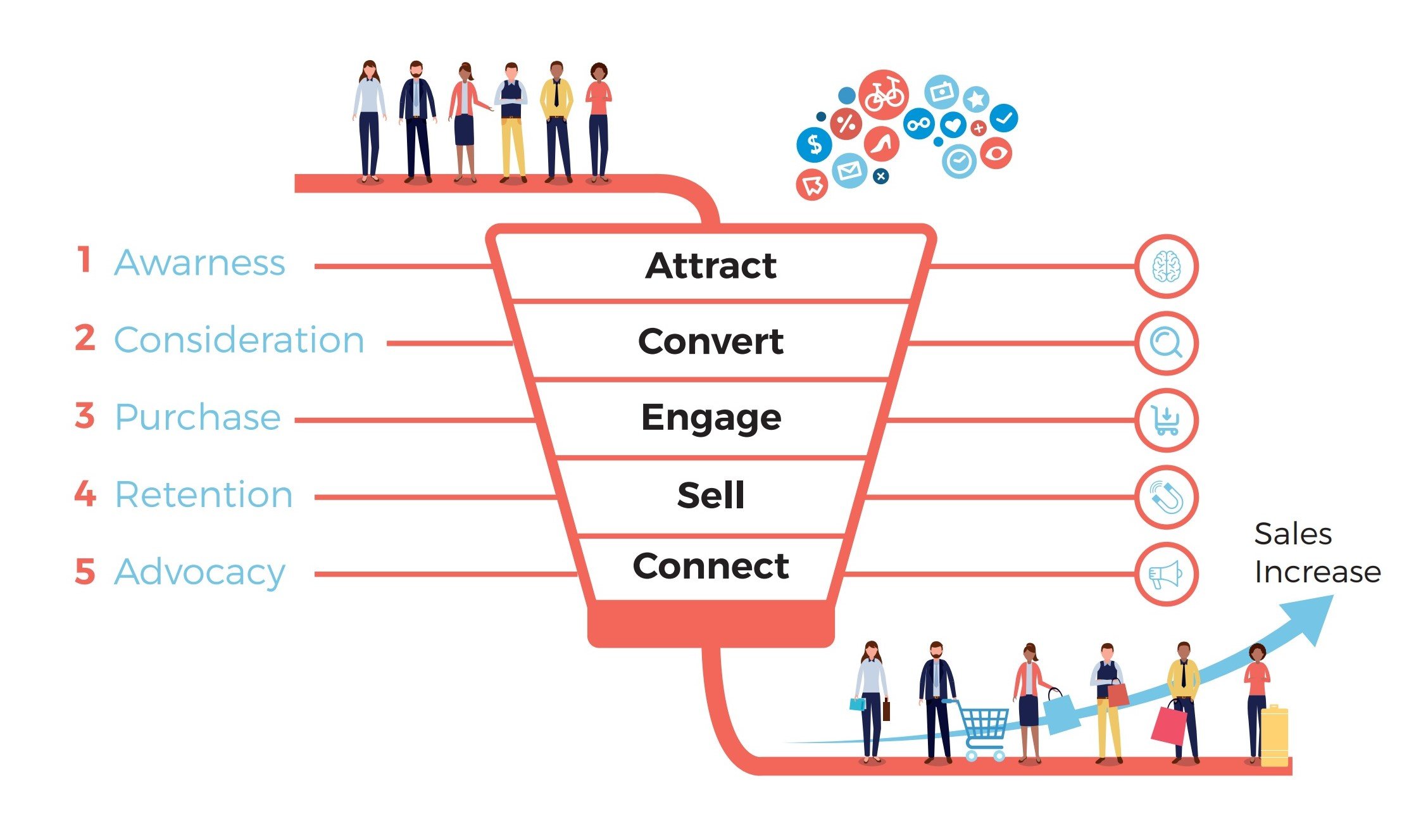
Mistake 6: Not Understanding Your Target Audience

https://blog.bismart.com/hs-fs/hubfs/conversion%20funnel.jpg?name=conversion+funnel.jpg&width=2256

If you don’t understand your customers, your marketing will not be effective.

You need to know:

  • Customer needs
  • Customer interests
  • Customer problems

This helps create effective marketing campaigns.


Mistake 7: Not Tracking Marketing Performance

Tracking performance helps you understand what works and what doesn’t.

Track:

  • Website traffic
  • Leads
  • Conversion rate
  • Customer engagement

Analytics tools help improve results.


Mistake 8: Focusing Only on Selling

https://www.smartsheet.com/sites/default/files/styles/1300px/public/2020-10/IC-Content-Blog-Relationship.png?itok=p0KQ8tB8

Customers don’t want constant sales messages.

Instead, provide:

  • Helpful content
  • Educational posts
  • Valuable information

This builds trust.


Mistake 9: Inconsistent Marketing Efforts

Marketing requires consistency.

Inconsistent marketing reduces visibility and customer engagement.

Consistent efforts improve results over time.


Mistake 10: Trying to Do Everything Without Professional Help

Marketing requires expertise.

Hiring professionals helps:

  • Improve results
  • Save time
  • Increase ROI

Professional agencies provide better marketing strategies.


How to Avoid These Marketing Mistakes

https://www.wearediagram.com/hubfs/Archive/Archive%20%28imagery%29/group-of-people-sitting-indoors-3184291.jpg

To avoid marketing mistakes:

  • Build a professional website
  • Invest in SEO
  • Create strong branding
  • Use social media effectively
  • Track performance
  • Work with marketing experts

These steps improve business growth.


Benefits of Avoiding Marketing Mistakes

Avoiding mistakes helps your business:

  • Attract more customers
  • Improve brand image
  • Increase sales
  • Improve marketing results
  • Grow faster

Smart marketing leads to success.


Why Choose VG Business Solutions for Marketing Services

VG Business Solutions helps businesses avoid marketing mistakes and achieve growth through:

  • Website development
  • SEO services
  • Branding services
  • Social media marketing
  • Lead generation

We provide complete marketing solutions.